Zara Foster · 15 October 2026
Astronomy Clubs Igniting Scientific Curiosity in Young People Across Fairplain's Surrounding Communities
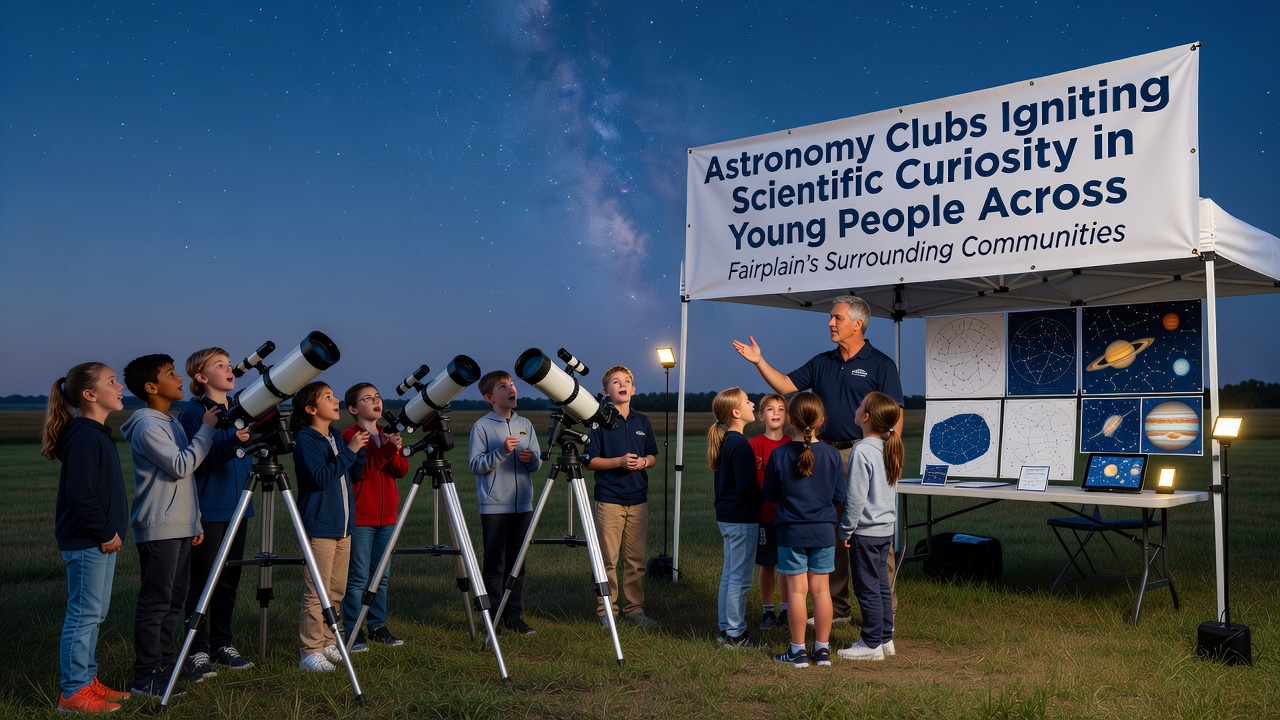
Communities surrounding Fairplain have seen astronomy clubs expand their outreach programs over recent years, with local groups organizing regular meetings, observation nights, and hands-on workshops that introduce students to celestial mechanics and observational techniques. These clubs operate through school partnerships and community centers, providing access to equipment such as portable telescopes and digital imaging tools that allow participants to record planetary transits and star clusters. Data collected by regional education offices show increased enrollment in after-school science activities, particularly among middle and high school students who join sessions focused on identifying constellations and tracking lunar phases.
Program Structure and Activities
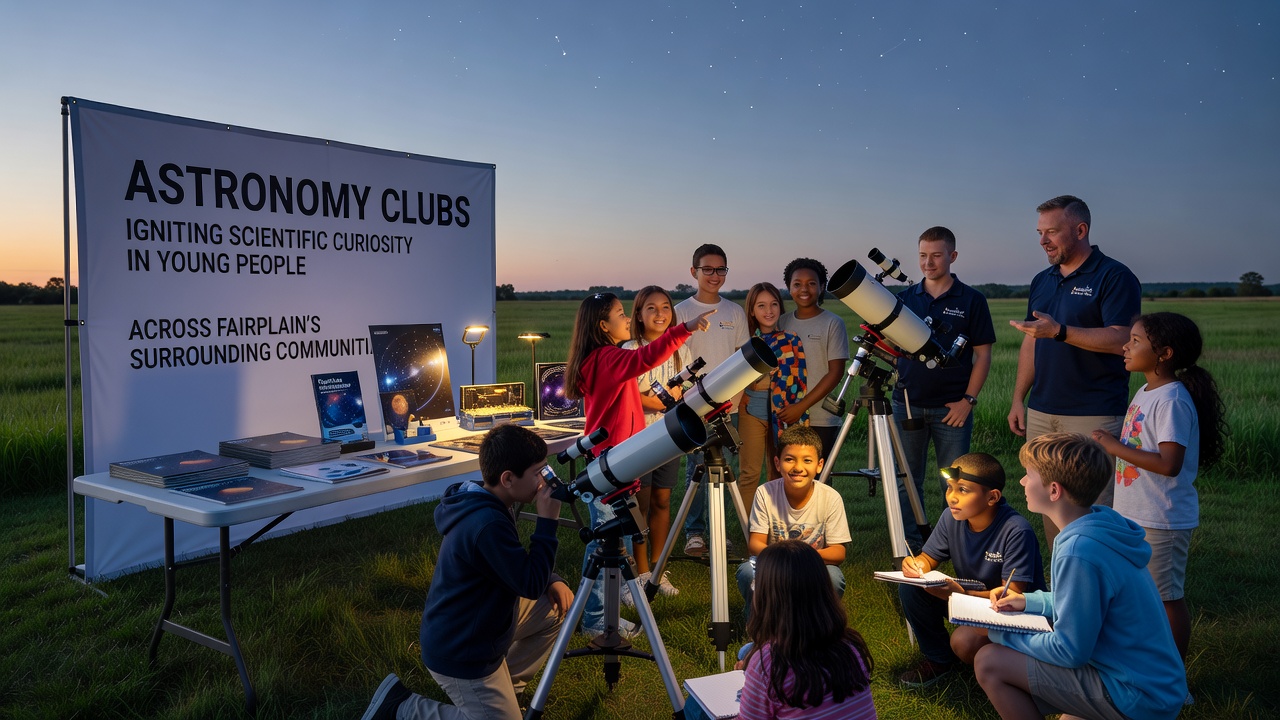
Each club follows a structured curriculum developed in coordination with local science teachers, covering topics from basic optics to orbital calculations while incorporating seasonal sky events. Sessions typically begin with indoor demonstrations of light spectrum analysis before moving to outdoor setups where attendees practice focusing instruments on visible targets. In October 2026 several clubs have scheduled coordinated viewings of the Orionid meteor shower, using apps and star maps to log sightings across multiple sites. Participants record data on meteor frequency and brightness, then compare notes during follow-up discussions that emphasize scientific documentation methods.
Equipment sharing networks operate among the clubs, allowing smaller groups in rural areas adjacent to Fairplain to borrow larger aperture instruments for special events. Workshops on astrophotography teach students to stack multiple exposures using free software, producing images of nebulae that appear in regional science fairs. Collaboration with nearby planetariums supplies mobile domes for daytime presentations on solar system dynamics, reaching classrooms that lack dedicated astronomy facilities.
Participation Trends and Educational Outcomes
Registration records indicate steady growth in youth involvement since 2023, with girls comprising nearly half of new members in several clubs according to figures compiled by community science coordinators. Studies conducted by university outreach programs reveal that students who attend at least six club meetings per year demonstrate measurable gains in standardized test scores for physical science sections. Mentorship pairings connect experienced amateur astronomers with younger members, guiding them through projects such as building simple spectroscopes from household materials.
Guest speakers from professional observatories deliver virtual talks on current missions, including updates from satellite arrays monitoring exoplanets. These presentations often lead to follow-up experiments where clubs simulate data analysis using public datasets released by space agencies. One program in the area pairs club activities with coding workshops, enabling participants to write scripts that model planetary motion and visualize results in real time.
Community Partnerships and Resource Sharing
Local libraries stock astronomy kits for loan, extending club resources beyond scheduled meetings and supporting independent observation at home. Partnerships wth regional parks provide dark-sky locations protected from urban light pollution, hosting monthly public events that welcome families alongside club members. Funding streams include small grants from science foundations and donations of surplus equipment from technical colleges, sustaining operations without large budgets.
Inter-club competitions challenge teams to identify the greatest number of Messier objects within a set timeframe, fostering friendly rivalry while reinforcing catalog familiarity. Online forums moderated by club leaders allow participants to share observations and troubleshoot technical issues, building a connected network across the Fairplain vicinity. Data from these shared logs contribute to citizen science initiatives tracking variable stars, with results submitted to international databases maintained by astronomical associations.
Conclusion
Astronomy clubs in the communities around Fairplain continue to integrate observational practice with classroom learning, creating pathways that connect youth to broader STEM fields through consistent engagement and shared resources. Ongoing events scheduled through late 2026 maintain momentum while expanding access to new participants entering the programs each season.