Zara Foster · 17 September 2026
How Ancient Trade Routes Continue to Influence Modern Communities Around Fairplain
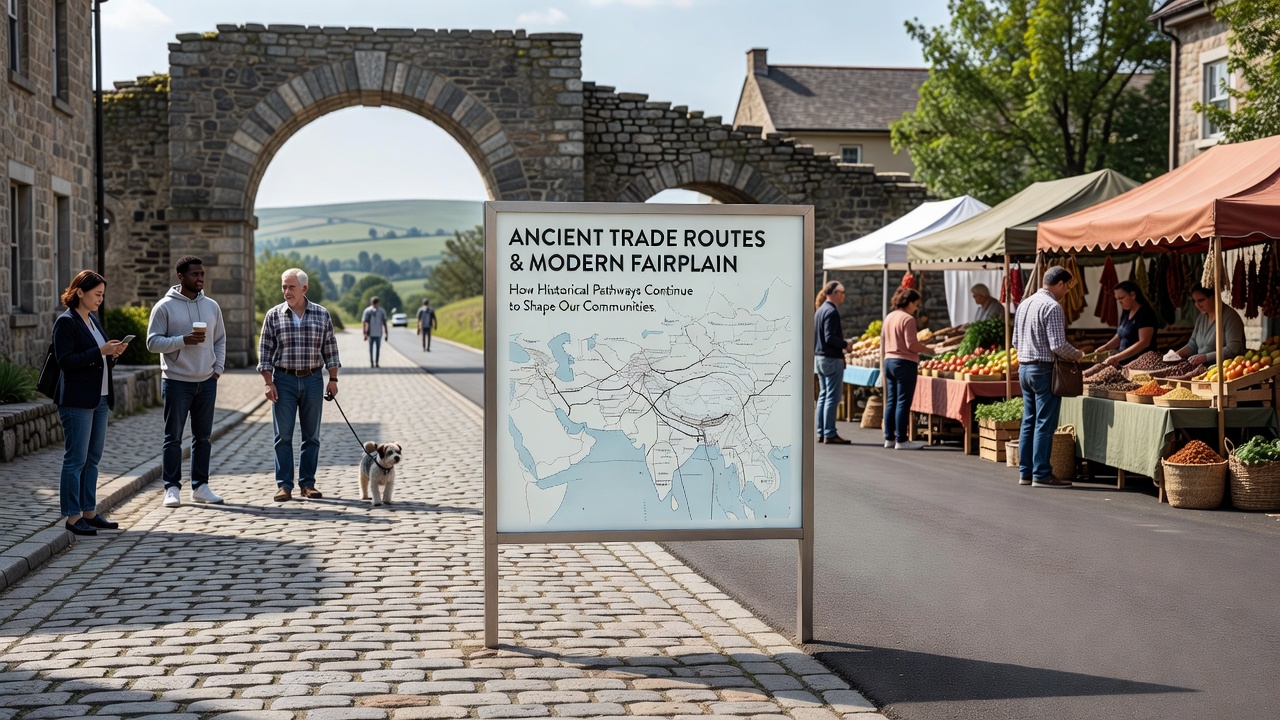
Ancient pathways once carried goods, ideas and people across the lands now known as Fairplain and researchers continue to trace how those corridors shape daily life in surrounding communities today.
Archaeological surveys reveal that routes established centuries ago aligned with natural features such as river valleys and mountain passes and those same alignments now guide highways, rail lines and local markets while towns grew up at former stopping points where travelers once rested and exchanged wares.
Historical Foundations of Regional Pathways
Early traders moved textiles, metals and agricultural products along established lines that connected inland settlements with coastal ports and evidence from excavations shows repeated use of these corridors over generations because the terrain offered reliable water sources and shelter from weather extremes.
Communities that developed beside these routes gained early advantages in access to resources and later generations built permanent structures on those same sites creating a layered record of settlement patterns that persists in property boundaries and street grids.
Economic Patterns That Persist
Markets in Fairplain still operate on schedules that echo seasonal trade fairs of earlier eras and vendors bring produce, crafts and livestock to locations that once served as collection points for long-distance caravans according to local historical society records.
Supply chains for certain commodities follow alignments that mirror ancient trails because modern logistics planners discovered that those paths minimize elevation changes and reduce transport costs while data from regional planning departments confirm higher commercial density along those historic corridors compared with areas developed later.
Cultural Exchanges and Community Traditions
Festivals held each September celebrate harvest cycles and craft traditions that originated with traveling merchants and participants reenact elements of those exchanges through music, food and storytelling that keep older customs visible in contemporary gatherings.
Language patterns in the region retain loanwords from distant trading partners and place names often derive directly from terms used by early travelers who marked landmarks for navigation purposes and linguists have documented these connections through comparative studies of local dialects.
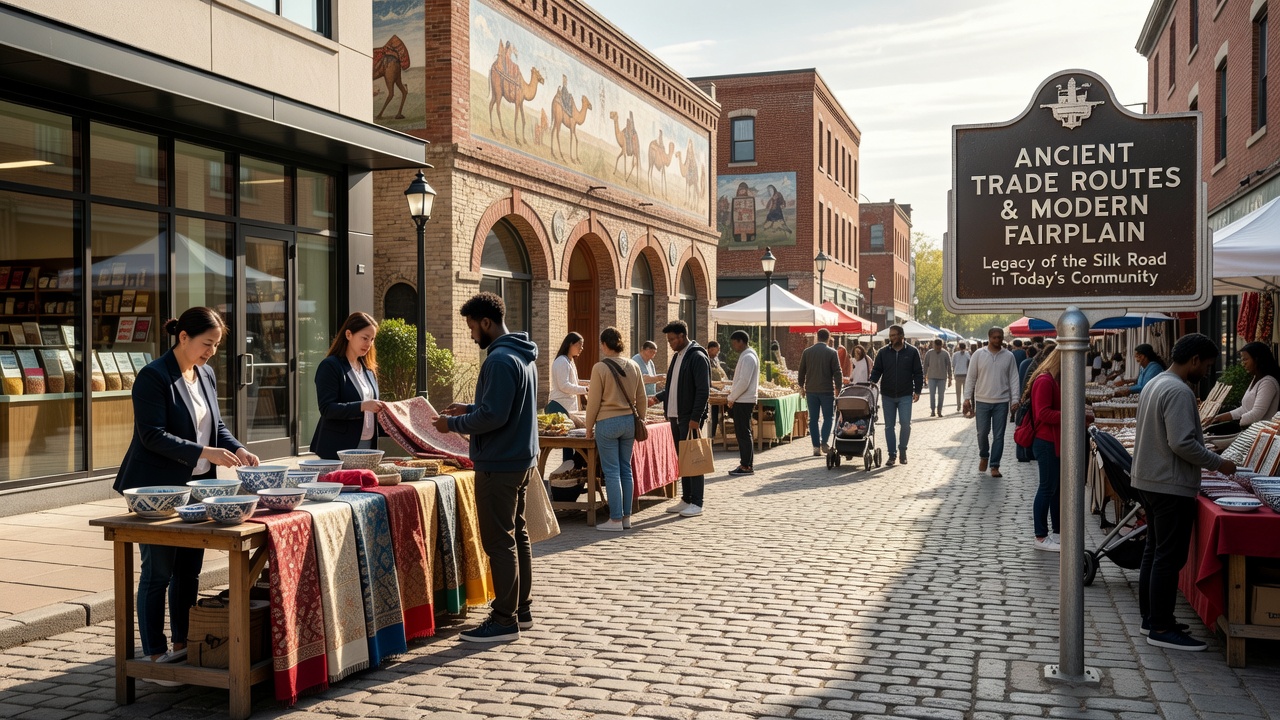
Architectural styles in older districts display influences from distant regions because merchants brought techniques and materials that local builders adapted and preservation groups now protect representative examples to maintain visible links to that shared past.
Infrastructure and Urban Development
Road networks constructed in the twentieth century frequently overlay earlier routes because engineers recognized the practicality of those alignments and recent infrastructure projects continue to respect those lines when expanding utilities or adding bike paths that connect residential areas with commercial zones.
Planning documents from county offices note that zoning decisions favor mixed-use development along these historic spines because the existing traffic flow supports retail and service businesses without requiring entirely new access roads while observers note that this approach reduces overall land disturbance compared with greenfield construction.
Heritage Initiatives and Future Outlook
Programs scheduled for September 2026 will highlight restored sections of original pathways through guided walks and interpretive exhibits that draw visitors interested in regional history and organizers expect these events to build on established tourism patterns that already contribute measurable revenue to small businesses.
Academic partnerships with institutions across North America and Europe supply ongoing analysis of artifacts recovered from route-adjacent sites and findings from those studies inform both educational curricula and local policy discussions about balancing growth with preservation.
One UNESCO report on transnational heritage corridors documents similar patterns in other regions where ancient alignments continue to shape settlement and economic activity while another study from Canadian researchers at the University of British Columbia tracks comparable influences on North American trade networks.
Conclusion
Evidence collected over decades shows that the physical and cultural legacies of ancient trade routes remain embedded in the geography, economy and social practices of communities around Fairplain and future development decisions will likely continue to reference those foundational lines because they offer proven advantages in connectivity and resource access.